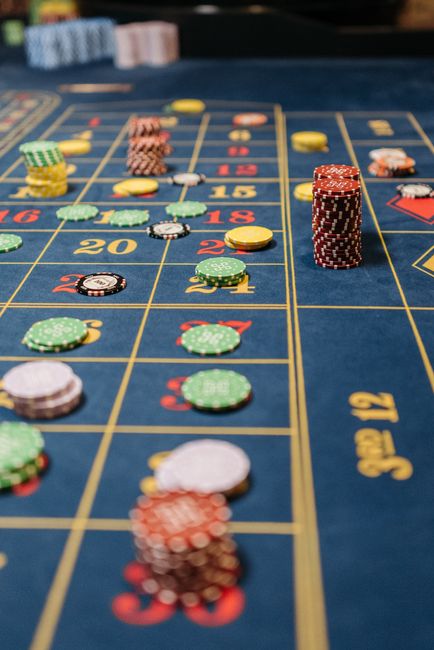
The Math Behind the Machine: Why Smart Players Still Lose at Slots
Every gambler has heard the phrase "the house always wins." But most people walking into a casino floor this weekend don't actually know where that edge comes from, how big it is, or why it punishes slots players so much harder than blackjack players. That gap between knowing the phrase and understanding the mechanics is where fortunes quietly disappear.
Let's fix that. Not with moralizing, and not with get-rich-quick nonsense about "beating the system." Just the actual numbers, explained the way a friend who works in the industry would explain them over a beer.
House Edge Is Not a Suggestion — It's the Business Model
When a slot machine has a stated RTP of 96%, that is not a promise about your session. It's a long-run average across millions of spins. Cash out a single session and that 96% figure means absolutely nothing to you. Over one hour of play, variance dwarfs the math.
To put it in concrete terms:
- A 96% RTP slot keeps $4 of every $100 wagered in the machine, on average.
- A European roulette wheel with a single zero holds about 2.7%.
- A standard blackjack table with decent rules sits around 0.5%, if you play basic strategy.
- Some low-payout slots dip to 90% or worse — that's a 10% edge, equivalent to sitting down at a table designed to bleed you.
Notice the pattern. The games that require thought offer dramatically better value. The games that require zero thought are the most expensive entertainment on the floor. That's not a coincidence. It's a pricing decision made by operators who know exactly what an unengaged player is worth.
The Volatility Trap Inside Slot Design
RTP is only half the story. Players almost never talk about volatility, and that's the stat that actually determines whether you enjoy your evening or walk out furious.
Low-volatility slots pay small amounts frequently. High-volatility slots pay almost nothing for ages, then occasionally hit huge. Modern video slots from the big studios lean hard into the high-volatility end because streamers and marketing videos show the jackpots, not the 400 empty spins that came first. slot depo 5k is a solid starting point for anyone new to this.
Here is the practical consequence: on a high-volatility game with a $1 spin and a $200 bankroll, you can realistically lose everything in under 20 minutes without ever seeing a bonus round. On a low-volatility game with the same bankroll and spin size, you'll likely stretch two hours. Same RTP. Totally different experience.
If a slot's RTP is buried three menus deep and the volatility rating is absent entirely, that in itself tells you something. Regulated markets are slowly changing this, but unregulated ones will never volunteer the information unprompted.
Poker Is the One Game Where Skill Actually Matters
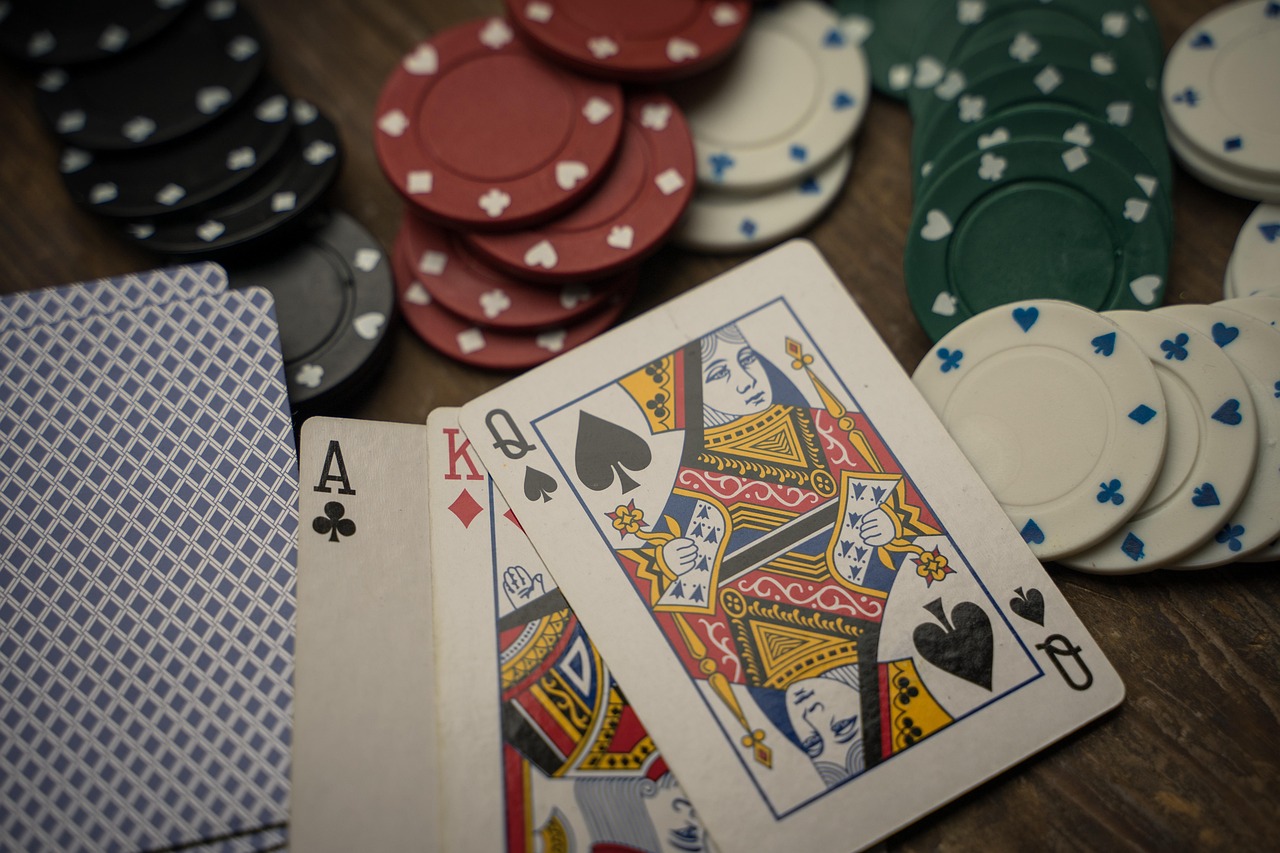
Here's the thing casino marketers don't want to say too loudly: poker is not a house game. You're not playing against the casino. You're playing against the other people at the table, and paying the casino a fee through the rake.
That distinction changes everything. A strong poker player can genuinely win long term, because the money is moving sideways between players, not upward into the house's pocket. A strong slots player cannot win long term. There is no such thing. Chance doesn't have leaks to exploit.
But poker rewards a specific set of skills that most casual players never develop:
- Bankroll management. No single table should threaten more than 5% of your total roll.
- Position awareness. Acting last in a hand gives you information every other player is denied.
- Range thinking. Not "what does he have" but "what does his line of betting actually represent."
- Emotional detachment. Tilt is the single biggest leak among amateur players, by a wide margin.
The bad news is variance. Even a genuinely winning player will have downswings lasting dozens of tournaments or hundreds of hours. If you can't stomach that, poker isn't your game.
Bonus Offers: The Fine Print Does the Heavy Lifting
Welcome bonuses look generous. A 100% deposit match up to $500 sounds like free money. It isn't, and the reason is the wagering requirement attached to it.
A typical offer reads: match bonus of $500, wagering requirement 40x. That means you must play through $20,000 total before withdrawing a cent of that bonus. On a 96% RTP slot, the expected loss from that playthrough is around $800. You're being handed $500 and asked to risk $800 worth of expected value to unlock it.
This doesn't make bonuses worthless. It makes them worth reading carefully. Look for:
- Wagering contribution rates — many sites count slots at 100% but table games at 10% or less.
- Maximum win caps on bonus winnings (often 5x or 10x the bonus).
- Withdrawal limits while the bonus is active.
- Time windows, typically 7 to 30 days.
A 20x requirement is a real offer. A 60x requirement is a marketing hook dressed up as generosity.
Betting Markets Are Priced By People Who Aren't You
Sports betting offers a different illusion. Because sports feel knowable, punters believe research beats randomness. Occasionally it does. Mostly it doesn't, because the bookmaker's odds already embed the information you spent two hours finding online, plus a margin.
The bookmaker's margin — the overround — on a standard two-way market is usually between 4% and 7%. That's steeper than a good slot machine. You can beat it by shopping lines across multiple books and exploiting genuine discrepancies, but that's a job, not a hobby. It requires spreadsheets, multiple accounts, and an appetite for being limited or banned by operators who notice sharp action.
Recreational bettors should treat every wager as entertainment spend, not investment. The moment you start calling it "income" is the moment the math starts slowly eating you.
The Only Honest Framework for Playing
None of this argues for never playing. It argues for knowing exactly what you're buying and why.
If you want an edge, play poker and treat it as a skill to develop over years. If you want to win occasionally, play blackjack and memorize basic strategy — it's a handful of rules and it cuts the house edge to a fraction of what slots charge. If you want pure entertainment with flashing lights and soundtrack, play slots, but budget for them the way you'd budget for concert tickets. Set a number before you open the app. When it's gone, it's gone.
The players who walk away irritated are almost never unlucky. They're underinformed. They sat down at the most expensive form of gambling on the floor, treated a 5% house edge like it was noise, and chalked the outcome up to fate. The math wasn't hiding. Nobody just told them where to look.

You Might Also Like
You’ve seen the flashing banners. You’ve heard the poker war stories. Maybe you’ve even dropped a few coins into a slot machine and wondered, is there actually…
A plain-English guide to astronomical units, light-years and parsecs, with everyday scale tricks that make the huge numbers behind space stories easy to picture.